Keith lived on a council estate (the Mardyke), opposite Ford’s car factory in Dagenham, East London. This was the mid-1980s, I’d given up on school. Every week I’d catch a short bus ride down to his flat and just sit, watching Keith jam on the guitar. He was mid-30s and had gigged in his youth. I didn’t own a guitar yet, so it was frustrating, waiting for a rare opportunity to play Keith’s Epiphone Scroll. He played hard rock, as good as Black Sabbath’s Tony Iommi or Clapton in Cream.
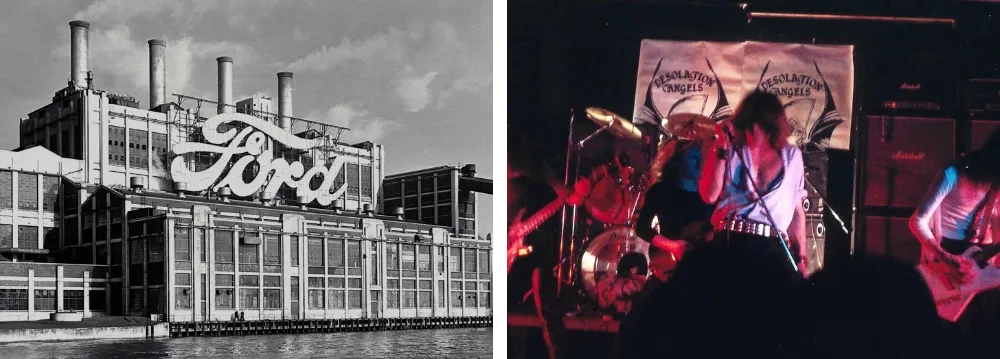
Within weeks I bought my first electric guitar for £50. We started a band together, pinning handwritten postcards like “Bass Player/Drummer Wanted” to the noticeboard of a local music store. Answering the ad, Mark became our bass player, who was a little closer to my age, though still much older at 26. Mark had wheels and wasn’t a drinker, so was always happy to drive. We’d all go and watch other bands on Friday nights. For me, it became an obsession, watching how musicians performed, what gear they used.
Our band (Galleon), lead by Keith on guitar, rehearsed at a studio every week, though we never played a gig. However, this experience served as my musical training. I learned how to perform with other musicians, how to structure songs and play in time with drummers who came and went, all with very different styles. One drummer sticks out in my mind. He looked like Ian Anderson from Jethro Tull and was not the most gifted player, but had rock star swagger, an important detail from the gigs I’d seen.
I imagined my own dream band, who would look cool, as well as play well. The older guys I was jamming with were, in reality very strait-laced. Keith, the elder statesman was also quite hostile towards the younger, emerging metal bands like Metallica or Slayer. But for me at 17, this first band had been a solid training ground. These senior music guys were parental figures, a good starting point.
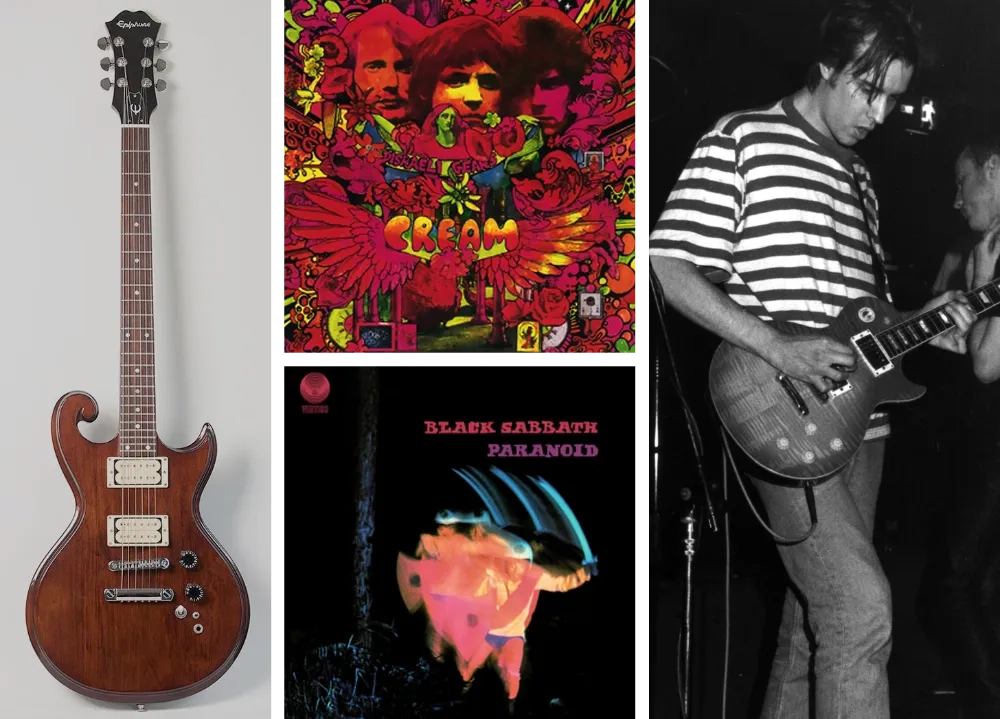
Jim Burns was, in the 1960s the most successful electric guitar maker in England. Hank Marvin (of The Shadows) had also popularised the electric guitar, inspiring legends such as Dave Gilmour and Jeff Beck to pick up the axe. So with a growing youth market for cool looking guitars, Burns spotted an opportunity.
The first classic Burns models (later rejuvenated by Supergrass and Billy Bragg) were based on the Fender Stratocaster and much cheaper than a Strat. However, by 1970 Jim Burns guitars had reached the end of the line. Then, in 1974 there was modest success with its quirky, aerodynamic Flyte design, popular with Glam Rock stars including Marc Bolan.
The Burns Flyte shape is also similar to a Gibson Flying V but with wings. The design was inspired by the supersonic jet Concorde.
Keith desired to make his own guitars, so the rocket-shaped Burns Flyte was our first handcrafted project. We built two guitars from scratch, a 4-string bass and 6-string electric. But first we needed to source the original Flyte body design – obviously we weren’t going to carve the wood, with the limited facilities in Keith’s small council flat. After a little digging we made contact with Jack Golder, a former employee of Jim Burns who had set-up his own company Shergold Guitars in 1973. By the mid-1980s Jack was making furniture, but still trading in guitar parts. Me and Keith visited Jack’s Harold Wood workshop and picked up two original bare wood Flyte guitar bodies with neck, fretboards and other parts.
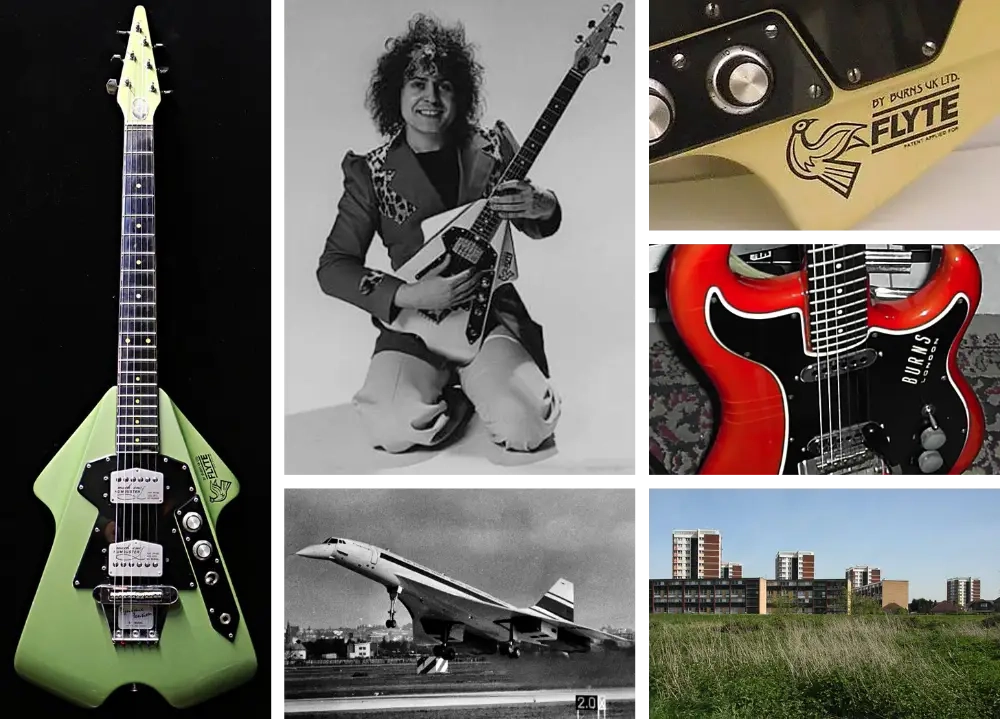
Back on Keith’s kitchen table we set about assembling two very unique Burns Flyte limited editions. Both guitars were to be gifts for our friend Bob, a computer engineer, lyricist and the neighbour who first put me in touch with Keith. My role in the construction of the guitars was minimal, I helped with sanding, spray-painting but left the trickier assembly to Keith. The finished guitars were matching colours, a deep, cyan blue with dark rosewood fingerboards and steel fittings.
It was a fun project, the guitars looked cool. I learned the inner mechanics of the instrument, at close quarters. Keith was a genuine enthusiast and I admired his dedication. He studied every part of the instrument and was a pretty handy player. A mentor who shaped my own playing skills.
Later, we had a reunion after 20 or more years out of contact. He still lived on the same housing estate near Ford’s car factory – the Mardyke estate is where location filming took place for the 2010 movie Made In Dagenham. By this time, Keith’s small apartment was brimful with guitars in all shapes and sizes. He had been buying and selling guitars for a profit, as a business sideline.
We had a great evening catching up. Our mutual friend (my ex-neighbour) Bob joined us. We jammed with lots of different guitars from Keith’s collection, including a Brian May Red Special. Keith noted my playing was pretty good by now, though I’ve never had a great deal of self-confidence.
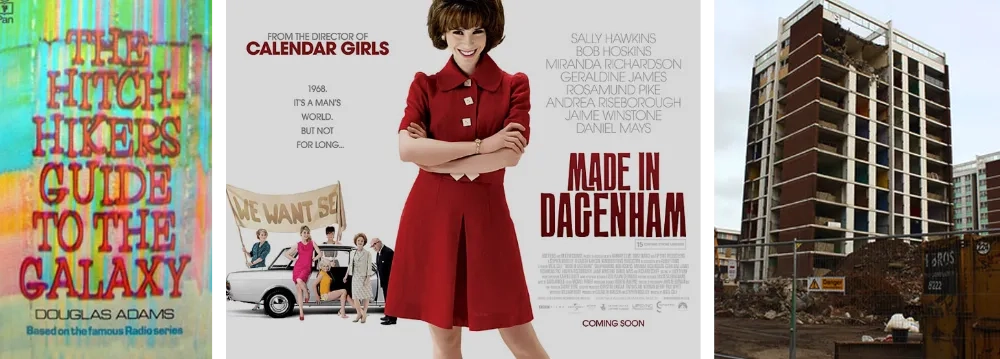
Keith was famed by friends (less by neighbours) for playing his guitars very loudly. By now he lived in a modern sound-proofed apartment. I recall first arriving at the front door that evening. I knocked a few times, then Keith finally opened the door. A blast of loud music hit me! However, I would soon leave London and move to Brighton. Privately, I knew the evening was likely to be a farewell.
Sadly a couple of years later, Bob emailed me to announce that Keith had passed away. He died prematurely, in his late 60s and had suffered a severe brain tumour. The last time we spoke Keith had talked about his session guitar work with a Country singer. I felt pleased that he finally had got the recognition for his lifetime dedication to music.
To outsiders, Keith appeared eccentric and carefree, which is what I admired. He was intensely focused and fearless without distraction. Like any truly dedicated artist, Keith funded his passion by working low-paid factory jobs, so he could pour his creative intellect into the music.
I am fond of this early period, by Keith’s relentless dedication to music. And I got to meet guitar craftsman Jack Golder and helped reconstruct a classic British instrument.